
Satoshi
Nakamoto
On Halloween 2008, someone calling themselves Satoshi Nakamoto posted a nine-page paper to an email list for cryptographers. It described a new kind of money with no bank behind it. Two years later Satoshi stopped writing, and walked away from a fortune now worth . Nobody knows who Satoshi is.12
Blacked-out lines in this file can be declassified. Tap one.
Six things people say about Satoshi Nakamoto. Some are on the record. Some are rumor, and some are a bit of both. Sort them, then see what the record says.
Nine pages and a made-up name
The paper was short and technical. It explained how strangers could send money to each other over the internet without a bank in the middle, by having thousands of computers keep a shared record of every payment.1
On January 9, 2009, Satoshi released the first version of the software. The first block of the new network had already been created, and Satoshi left a message inside it: a headline from that week's Times of London about a second bank bailout.1
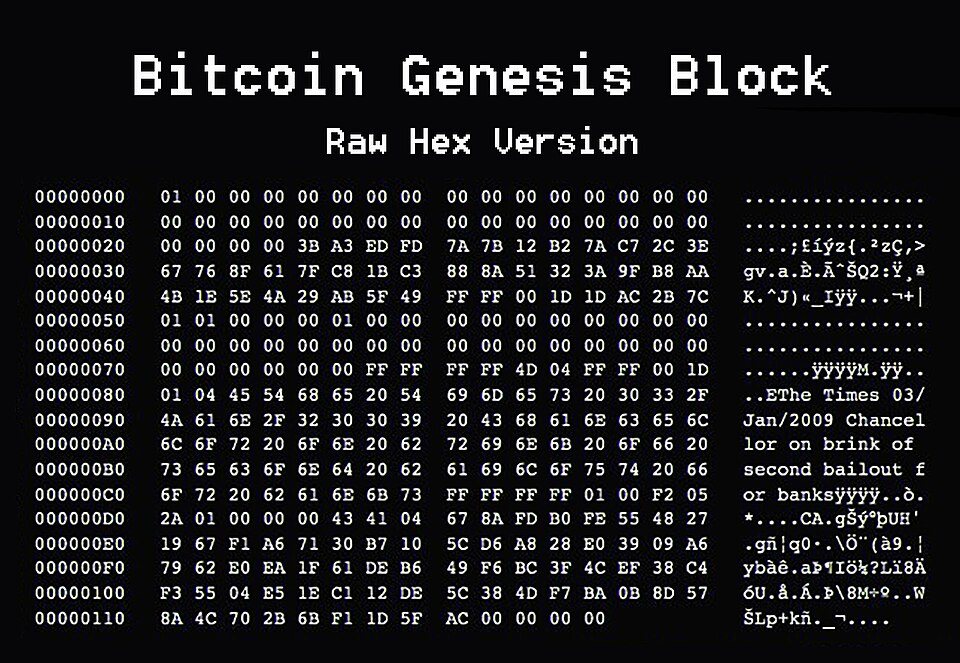
People still argue about what it meant. It works as a timestamp, proving the block couldn't have been made before that day. Many people also read it as a comment on the banks Bitcoin was built to route around.1
Two years, then nothing
For about two years, Satoshi posted on forums and emailed with developers, always about the code and almost never about themselves.1
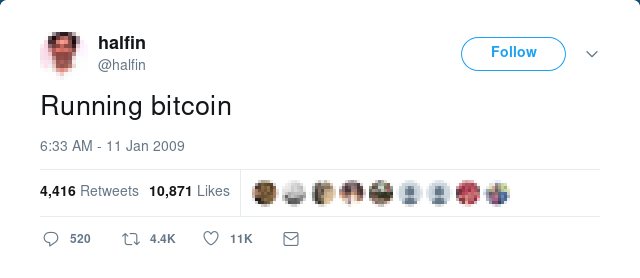
In mid-2010, Satoshi handed control of the project to a developer named Gavin Andresen. In 2011, Satoshi wrote in an email to another developer that they had "moved on to other things." Nothing has been heard since.1
That estimate comes from security researcher Sergio Demian Lerner, who studied patterns in the earliest blocks and found one miner who appeared to have mined about 22,000 of them alone.2
Everyone's a suspect
This file reports who has been publicly named and what they said. None of them has been proven to be Satoshi.
In 2014, Newsweek named a California engineer, Dorian Nakamoto. He denied it, and the magazine's reporting was widely criticized. Crypto pioneers Hal Finney and Nick Szabo were also suggested, and both denied it.1
One man has said he is Satoshi: Australian computer scientist Craig Wright. In March 2024, the High Court in London ruled that he isn't. In its written judgment, the court said he had "lied to the court extensively and repeatedly."13
In October 2024, the HBO documentary Money Electric pointed to developer Peter Todd. He called the idea "ludicrous."14 In April 2026, a New York Times investigation argued for British cryptographer Adam Back, based on years of his writing. Back replied: "I am not Satoshi."5
A face like a mirror
In Budapest, Hungary, there's a bronze bust of Satoshi Nakamoto, unveiled in 2021. With no real face to copy, the artists made the face out of polished metal that reflects like a mirror.
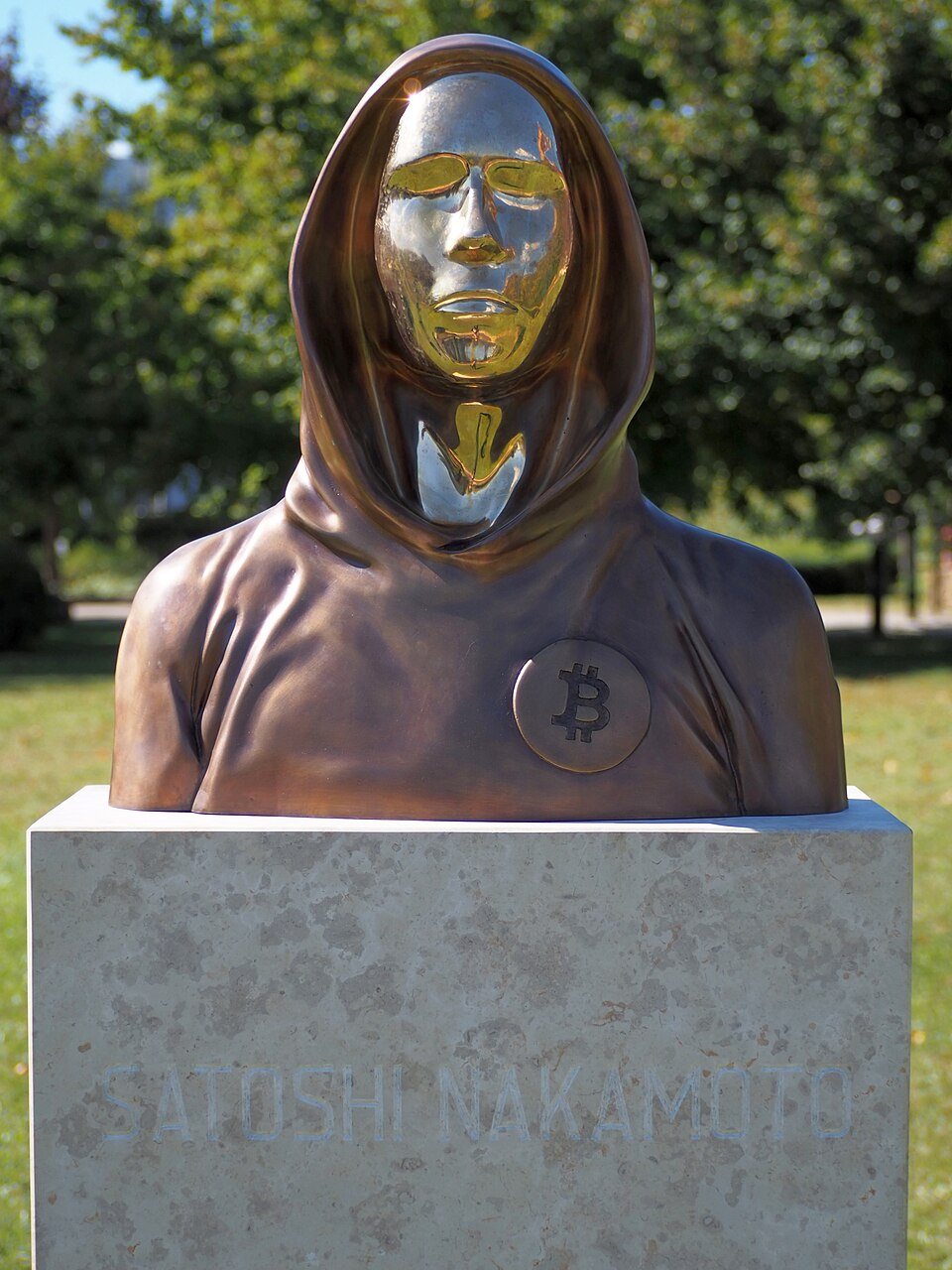
Stand in front of it and the face you see is partly your own.
 Host
"Somebody knows"
Nobody builds a new kind of money alone in a dark room. Satoshi had collaborators, emailed developers and answered questions for two years.1 The writing has fingerprints: British spellings, Western working hours, particular habits of phrase.1 Reporters have followed those fingerprints to a small circle of 1990s cryptographers, and they keep getting closer.5
Then ask why Satoshi would stay hidden. A person sitting on more than a million bitcoins is a target for governments, tax collectors and criminals.2 Vanishing isn't strange. It's exactly what a smart person in that position would do, and it doesn't mean they aren't among the people we already know.
 Host
"Every answer so far has been wrong"
Look at the record of people who were sure. A magazine named the wrong man. A writing analysis pointed at someone who denied it. A man who claimed to be Satoshi was found by a court to have lied "extensively and repeatedly."13 Every confident answer has the same problem: no proof.
And proof is possible. Satoshi's early coins are locked to keys only Satoshi ever held.2 Moving one coin or signing one message with them would settle this in a day. Until someone does, a writing style match is a guess, however good the reporting behind it.
Rex and June are characters written for this site and appear in every file. They are not real people. Their arguments come from the sources listed below.
The richest person who never spent a cent
The coins linked to Satoshi have sat untouched since Bitcoin's first year. At mid-2025 prices, they would have been worth well over $100 billion.12
Satoshi has never sold a coin, bought anything or claimed credit. The creator of one of the most valuable things on the internet is the only person who has never cashed in.
Who is Satoshi Nakamoto?
On film
Videos about this file from other creators, picked to show more than one side. Tap a tape to play it.
Videos are made by their channels, not by Rumor & Record, and reflect their creators' views. They load from YouTube only when you tap play.
The file
Common questions
Who is Satoshi Nakamoto?
Nobody knows. Satoshi is the name used by the person or group who published the Bitcoin white paper in 2008 and stopped communicating in 2011.
Is Craig Wright Satoshi Nakamoto?
No, according to the High Court in London, which ruled in March 2024 that he is not.
How many bitcoins does Satoshi own?
About 1.1 million, according to researcher Sergio Demian Lerner's estimate of the coins Satoshi mined in 2009. None appear to have been spent.
Is Satoshi Nakamoto Japanese?
Unknown. Satoshi's profile claimed to be a man living in Japan, but the writing used British English and the activity fit Western time zones.
Other open files
Sources
- Satoshi Nakamoto (Wikipedia)
- How many Bitcoin does its inventor Satoshi Nakamoto still own? (Decrypt)
- Craig Wright is not the inventor of Bitcoin, judge rules (Bitcoin Magazine, 2024)
- 'I'm not Satoshi,' says man who HBO suggests is Bitcoin's creator (Bloomberg, 2024)
- Adam Back denies being Bitcoin creator Satoshi Nakamoto after NYT exposé (Decrypt, 2026)